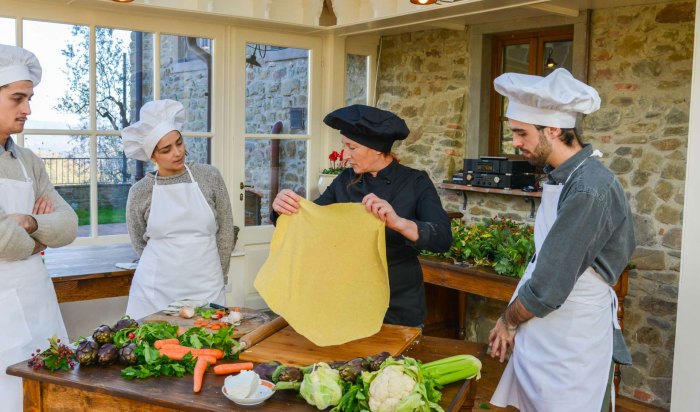
Cooking classes and culinary tours set the stage for this enthralling narrative, offering readers a glimpse into a story that is rich in detail and brimming with originality. From exploring traditional dishes to discovering unique culinary experiences, this topic promises to take you on a flavorful journey around the world.
Cooking Classes and Culinary Tours
Taking cooking classes while on vacation can offer a unique and enriching experience for travelers. Not only do you get to learn new recipes and cooking techniques, but you also get to immerse yourself in the local culture through its food. It’s a fun way to explore the destination and create lasting memories.
Benefits of Taking Cooking Classes
- Learn to prepare authentic local dishes
- Gain hands-on experience with fresh and traditional ingredients
- Interact with local chefs and learn about their culinary traditions
- Experience the joy of cooking and sharing meals with others
Reasons for the Popularity of Culinary Tours
Culinary tours are becoming increasingly popular among travelers because they offer a unique way to explore a destination through its food. Travelers can sample a variety of local dishes, visit markets, and learn about the history and cultural significance of different foods. It’s a multi-sensory experience that goes beyond just sightseeing.
Enhancing Cultural Immersion through Cooking Classes
Participating in cooking classes can enhance cultural immersion during travel by allowing you to connect with the local community on a deeper level. You not only learn about the cuisine but also gain insight into the customs, traditions, and values of the people. It’s a hands-on way to appreciate and respect the culture of the destination you are visiting.
Road Trip
Road trips offer a unique opportunity to explore different culinary experiences along the way. Combining road trips with cooking classes or culinary tours can enhance the overall travel experience and create lasting memories centered around food.
Planning a Successful Road Trip with Culinary Experiences
When planning a road trip that includes culinary experiences, consider the following tips:
- Research local culinary hotspots and famous dishes along your route.
- Book cooking classes or food tours in advance to secure your spot.
- Create a flexible itinerary to allow for spontaneous food discoveries.
- Pack essential cooking tools or ingredients for any cooking classes or food activities.
- Explore local markets or farm stands for fresh ingredients to use in your cooking adventures.
Advantages of Incorporating Food-Related Activities into a Road Trip Itinerary
- Enhances cultural immersion by experiencing local cuisine firsthand.
- Provides a deeper connection to the destination through its food traditions.
- Offers the opportunity to learn new cooking techniques or recipes to recreate at home.
- Creates memorable experiences and stories to share with others.
- Allows for a well-rounded travel experience that engages all the senses.
Island Hopping
Island hopping can offer a unique culinary experience by allowing travelers to explore a diverse range of traditional dishes from different destinations. Each island has its own culinary specialties and flavors, providing a rich tapestry of tastes for food enthusiasts to discover.
Types of Traditional Dishes
During island hopping tours, travelers can explore a variety of traditional dishes that are unique to each destination. Here are some types of traditional dishes you may encounter:
- Adobo from the Philippines
- Poke bowls from Hawaii
- Paela from Spain
- Ceviche from Peru
- Banh mi from Vietnam
Tips for Finding Cooking Classes
When island hopping, finding the best cooking classes can enhance your culinary experience. Here are some tips to help you find the right cooking classes in different destinations:
- Research online for cooking classes with good reviews and reputable instructors.
- Look for classes that focus on local ingredients and traditional cooking methods.
- Seek recommendations from locals or fellow travelers who have taken cooking classes in the area.
- Consider taking private or small group classes for a more personalized experience.
Safari Adventure
Embarking on a safari adventure not only offers the chance to witness majestic wildlife in their natural habitats but also provides unique opportunities to indulge in culinary experiences unlike any other.
Local Cuisines
During a safari trip, travelers can discover a rich tapestry of local cuisines that are deeply rooted in the region’s traditions and culture. From hearty stews to flavorful grilled meats, the local dishes offer a taste of authenticity that reflects the diverse culinary heritage of the area.
Wildlife Watching and Culinary Tours
The connection between wildlife watching and culinary tours during a safari adventure is truly captivating. After a thrilling day of spotting wildlife in their natural habitat, travelers can unwind and savor delicious meals prepared with fresh local ingredients. The immersive experience of exploring the wilderness by day and enjoying flavorful dishes by night creates a perfect harmony between nature and gastronomy.
Ski and Snowboarding Vacation
When planning a ski or snowboarding vacation, it’s essential to consider not only the outdoor activities but also the culinary experiences that can complement your trip. Cooking classes can offer a unique way to immerse yourself in the local cuisine and culture of the ski resorts you visit.
Types of Dishes in Ski Resorts
At ski resorts, you can expect to find hearty and comforting dishes that provide warmth and energy for a day on the slopes. Popular options include fondue, raclette, hearty soups, and stews. These dishes are not only delicious but also a great way to refuel after a day of skiing or snowboarding.
Learning to Cook Ski Resort Dishes
Joining a cooking class during your ski vacation can give you the opportunity to learn how to prepare these traditional dishes yourself. You can pick up tips and techniques from local chefs, allowing you to recreate the flavors of the mountains at home.
Tips for Balancing Activities
- Plan your schedule to include both outdoor activities and culinary experiences.
- Consider taking a cooking class in the morning or on a rest day to balance your time effectively.
- Explore local markets to source fresh ingredients for your cooking endeavors.
- Don’t forget to indulge in après-ski treats and drinks to complete your culinary adventure.
Tropical Paradise Escape
When it comes to a tropical paradise escape, one of the highlights is definitely the culinary delights that await you. From fresh seafood to exotic fruits, the flavors of tropical destinations are a feast for the senses.
Local Ingredients and Flavors
Local ingredients play a key role in defining the cuisine of tropical destinations. With an abundance of fresh fruits, vegetables, herbs, and spices, tropical dishes are known for their vibrant and bold flavors. Coconut, mango, pineapple, plantains, and seafood are just a few examples of the ingredients that are commonly used in tropical cooking.
Benefits of Cooking Classes
Participating in cooking classes while enjoying a tropical escape can be a truly rewarding experience. Not only do you get to learn how to prepare authentic tropical dishes, but you also get to immerse yourself in the local culture and culinary traditions. Cooking classes provide a hands-on opportunity to learn new cooking techniques, explore unique flavors, and create delicious dishes that you can enjoy long after your vacation is over.
Backpacking Adventure
Embarking on a backpacking adventure opens up a world of opportunities to explore different cultures, landscapes, and cuisines. One of the best ways to enhance your backpacking experience is through culinary experiences.
Enhancing Backpacking Adventures with Culinary Experiences
Immersing yourself in local culinary traditions allows you to connect more deeply with the places you visit. Whether you’re learning to cook traditional dishes in a cooking class or sampling street food from local vendors, food plays a significant role in understanding a destination’s culture.
Finding Budget-Friendly Cooking Classes
- Look for community centers or local cooking schools that offer affordable cooking classes for travelers.
- Check for online platforms or apps that connect travelers with local hosts for cooking experiences at reasonable prices.
- Consider joining a group cooking class or workshop to split the cost with other backpackers.
Importance of Trying Local Street Food
Sampling local street food is not only a budget-friendly option but also a great way to experience authentic flavors and ingredients unique to the region. Be open to trying new dishes and interacting with street food vendors to get a taste of local life.
Culinary Tour
Culinary tours offer a unique opportunity to explore the world through its food, flavors, and cultural traditions. Whether you are a food enthusiast, a culinary expert, or simply curious about different cuisines, there are various types of culinary tours available worldwide to cater to your interests.
Types of Culinary Tours
- Culinary Walking Tours: These tours typically involve exploring local markets, tasting street food, and visiting traditional eateries on foot.
- Cooking Classes and Workshops: Perfect for those who want a hands-on experience, these tours allow participants to learn cooking techniques and recipes from local chefs.
- Wine and Food Pairing Tours: Ideal for wine lovers, these tours focus on tasting regional wines and pairing them with local dishes.
- Culinary Cruises: Combine the luxury of a cruise with culinary experiences, including onboard cooking demonstrations, food tastings, and visits to food markets at various ports.
Criteria for Selecting the Best Culinary Tour
- Destination: Choose a tour that explores a region or country known for its unique culinary traditions and diverse flavors.
- Activities: Consider the activities included in the tour, such as market visits, cooking classes, tasting sessions, and cultural experiences.
- Duration and Budget: Determine the length of the tour and ensure it fits your schedule and budget constraints.
- Group Size: Decide if you prefer a small-group tour for a more intimate experience or a larger group for social interaction.
Cultural Significance of Culinary Tours
Culinary tours offer more than just a chance to savor delicious food; they provide insights into the cultural heritage, history, and traditions of a region. By exploring local markets, meeting chefs, and participating in cooking activities, participants gain a deeper understanding of the people and places behind the dishes. Culinary tours also promote sustainable tourism by supporting local farmers, producers, and businesses, preserving culinary traditions for future generations to enjoy.
Wine and Vineyard Tour
Wine tasting and culinary experiences are closely intertwined, as they both involve the appreciation of flavors, aromas, and textures. The art of pairing wine with food enhances the overall dining experience, bringing out the best in both the dish and the wine.
Pairing Wine with Local Cuisine During Vineyard Tours
When visiting vineyards, it’s essential to consider the characteristics of the wine being tasted and the flavors of the local cuisine. Here are some tips for pairing wine with local dishes during vineyard tours:
- Choose wines that complement the flavors of the dish: Consider the acidity, sweetness, and body of the wine in relation to the flavors of the food.
- Match the intensity of flavors: Light wines pair well with delicate dishes, while bold wines can stand up to rich and flavorful dishes.
- Experiment with contrasting flavors: Sometimes, contrasting flavors can create a unique and memorable pairing experience.
- Consider regional specialties: Opt for wines that are produced locally to enhance the authenticity of the pairing.
Role of Cooking Classes in Enhancing Wine and Food Pairings
Cooking classes play a crucial role in enhancing the appreciation of wine and food pairings by educating participants on the principles of flavor pairing, cooking techniques, and wine selection. By learning about the intricacies of different cuisines and wine varieties, individuals can develop a deeper understanding of how certain flavors complement each other and enhance the overall dining experience.
Yoga and Meditation Retreat
Yoga and meditation retreats offer a holistic approach to wellness, focusing on both the mind and body. Incorporating culinary experiences into these retreats can enhance the overall experience and promote a deeper connection to food.
Benefits of Mindful Eating
During yoga retreats, practicing mindful eating can help participants become more aware of their food choices and eating habits. This can lead to a greater appreciation for food and a more conscious approach to nourishing the body.
Importance of Healthy Cooking Classes
Healthy cooking classes play a vital role in complementing a wellness-focused retreat by empowering participants to learn how to prepare nutritious and balanced meals. By understanding the fundamentals of healthy cooking, individuals can continue to make positive food choices even after the retreat ends.
Festival-Based Vacation
Food festivals can be a highlight of a culinary tour as they offer a unique opportunity to immerse yourself in the local culinary scene, taste traditional dishes, and interact with local chefs and food producers.
Exploring Local Cuisines Through Festival-Based Vacations
When embarking on a festival-based vacation, it’s important to research the specific festivals happening in the region you are visiting. Look for events that showcase local ingredients, traditional cooking methods, and authentic dishes.
- Attend cooking demonstrations and workshops to learn about regional cooking techniques and ingredients.
- Participate in tasting sessions to sample a variety of dishes and flavors unique to the area.
- Interact with local vendors and producers to gain insight into the sourcing and production of local ingredients.
- Explore food markets and stalls to discover hidden culinary gems and try street food specialties.
Cultural Significance of Food Festivals
Food festivals play a significant role in celebrating culinary traditions, promoting local ingredients, and preserving cultural heritage in different regions around the world.
Food festivals often feature traditional dances, music performances, and art exhibitions that showcase the cultural richness of the region.
| Region | Significance |
|---|---|
| Asia | Celebrate harvest seasons and honor ancestors through food offerings. |
| Europe | Showcase regional specialties and promote culinary tourism. |
| Latin America | Highlight indigenous ingredients and cooking traditions. |
| Africa | Emphasize communal dining and the sharing of food as a symbol of unity. |
Theme Park Vacation
Theme park vacations are not just about thrilling rides and entertainment; they also offer unique culinary experiences beyond typical fast food options. Theme parks have evolved to cater to food enthusiasts by providing a variety of dining options that showcase diverse tastes and flavors.
Unique Dining Options
When visiting a theme park, food enthusiasts can explore unique dining options that go beyond the usual fast food joints. Many theme parks now feature upscale restaurants, food trucks, and themed eateries that offer a wide range of cuisine choices. From gourmet burgers and artisanal pizzas to international dishes and fusion cuisine, there is something for every palate.
- Look for food festivals and special events within the theme park that highlight local and seasonal ingredients.
- Consider dining packages or food tours that allow you to sample a variety of dishes from different restaurants in the park.
- Check out food trucks and pop-up stands for trendy and innovative food offerings that you won’t find anywhere else.
Evolution of Culinary Offerings
Theme parks have stepped up their culinary game in recent years to cater to the growing demand for diverse and high-quality food options. They have collaborated with celebrity chefs, local artisans, and popular food brands to create unique dining experiences that rival those found in top restaurants.
- Theme parks now offer plant-based and vegetarian options to accommodate dietary restrictions and preferences.
- You can find themed restaurants and immersive dining experiences that transport you to different culinary worlds.
- Culinary tours and workshops are available for visitors who want to learn more about the food and beverage offerings in the park.
Wildlife Watching Trip
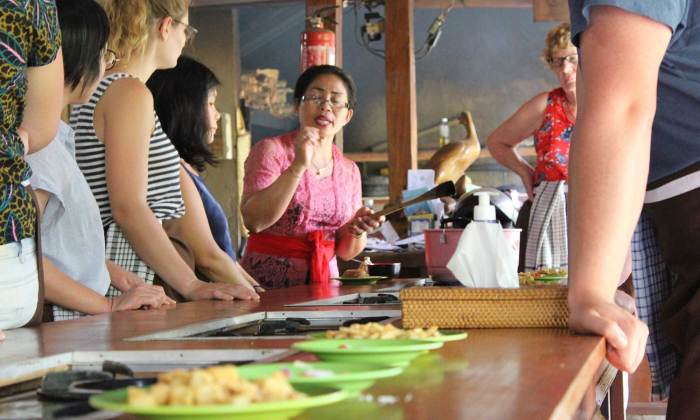
Embarking on a wildlife watching trip not only offers the thrill of observing majestic animals in their natural habitat but also provides unique opportunities for culinary exploration.
Traditional Dishes of Regions Known for Wildlife Watching
Regions renowned for wildlife watching often boast rich culinary traditions that reflect the local culture and resources. Some traditional dishes to try include:
- South Africa: Indulge in a hearty potjie, a slow-cooked stew prepared in a cast-iron pot over an open flame.
- Costa Rica: Sample gallo pinto, a flavorful dish of rice and beans that serves as a staple in Costa Rican cuisine.
- Australia: Enjoy a taste of kangaroo meat prepared in various ways, showcasing the unique flavors of the Outback.
Sustainable Food Practices During Wildlife Watching Trips
Travelers engaging in wildlife watching trips can also learn about sustainable food practices that help protect the environment and support local communities. Some practices to look out for include:
- Locally Sourced Ingredients: Opt for dishes made with ingredients sourced from nearby farms and markets to reduce the carbon footprint.
- Supporting Indigenous Communities: Choose dining options that support indigenous communities and their traditional food practices, promoting cultural preservation.
- Minimizing Food Waste: Select establishments that prioritize reducing food waste through composting or donation programs, contributing to a more sustainable food system.
Desert Adventure
Exploring the desert offers a unique opportunity to immerse oneself in the culinary traditions of the region. From traditional Bedouin dishes to modern fusion cuisine, desert adventures can introduce travelers to a whole new world of flavors and cooking techniques.
Authentic Desert Cuisine Experiences
- Seek out local markets and street food stalls to sample authentic dishes prepared by desert communities.
- Join guided food tours led by knowledgeable locals who can introduce you to hidden culinary gems off the beaten path.
- Participate in cooking workshops or classes where you can learn firsthand from expert chefs about traditional desert cooking methods and ingredients.
- Visit local farms or food producers to witness the process of harvesting and preparing ingredients unique to the desert environment.
Preserving Desert Culinary Heritage
Cooking classes play a crucial role in preserving and sharing desert culinary heritage by passing down traditional recipes and cooking techniques to future generations. These classes not only teach participants how to prepare authentic dishes but also educate them about the cultural significance of each ingredient and cooking method. By engaging in cooking classes during a desert adventure, travelers can actively contribute to the preservation of desert culinary traditions.
Photography Expedition
Embarking on a photography expedition can offer a unique perspective on capturing culinary experiences in a visually compelling way. Through the lens of a camera, one can document the artistry and passion behind local cuisines and cooking techniques, preserving these traditions for future generations to appreciate.
Documenting Local Cuisines
- Photography allows for the detailed documentation of ingredients, cooking methods, and final dishes, providing a visual narrative of the culinary journey.
- By focusing on the colors, textures, and presentation of food, photographers can convey the sensory experience of tasting local delicacies.
- Capturing the interactions between chefs, vendors, and diners can showcase the human connection and cultural significance of food in different regions.
Visual Storytelling Potential
- Photography can evoke emotions and memories associated with food, creating a powerful storytelling tool that goes beyond words.
- Combining images of landscapes, markets, and cooking processes with close-up shots of dishes can paint a vivid picture of the culinary landscape.
- Through photography, one can highlight the diversity of culinary traditions and the creativity of chefs, fostering appreciation for global gastronomic heritage.
Fishing Trip
Embarking on a fishing trip not only offers the thrill of catching your own fresh seafood but also provides a unique opportunity for hands-on culinary experiences.
Cooking Fresh Catch
When you catch your own fish during a fishing expedition, you have the chance to cook it fresh right on the boat or shore. This immediate access to the freshest seafood ensures a delicious and flavorful meal that you can prepare in various ways, from grilling to ceviche.
Sustainable Fishing and Responsible Dining
Engaging in sustainable fishing practices while on a fishing trip is crucial for preserving marine ecosystems and ensuring a healthy balance in aquatic life. By understanding the importance of sustainable fishing and making responsible dining choices, you can contribute to the conservation of marine resources for future generations.
Diving and Snorkeling Vacation
Diving and snorkeling vacations offer a unique opportunity to explore underwater ecosystems while enjoying culinary adventures through local seafood delicacies. Whether you’re diving in the crystal-clear waters of the Maldives or snorkeling in the vibrant coral reefs of the Caribbean, there are plenty of ways to indulge in delicious seafood dishes during your underwater adventures.
Exploring Underwater Ecosystems and Local Seafood Delicacies
When diving or snorkeling, take the time to observe the colorful marine life and intricate coral formations. After your underwater explorations, be sure to sample local seafood delicacies such as fresh ceviche, grilled fish, or seafood paella. Many coastal regions around the world offer a variety of seafood dishes that highlight the flavors of the sea, providing a culinary experience that complements your diving and snorkeling adventures.
- Try popular seafood dishes that are freshly caught and prepared by local chefs.
- Visit local markets or seaside restaurants to taste authentic seafood specialties.
- Engage with local fishermen to learn about sustainable fishing practices and the importance of preserving marine ecosystems.
Importance of Sustainable Seafood Choices
As you indulge in seafood delights during your diving and snorkeling vacation, it’s crucial to make sustainable seafood choices to support the health of marine environments. Opt for seafood options that are sourced responsibly and harvested in an environmentally friendly manner to help protect ocean ecosystems for future generations.
- Look for seafood dishes that are certified sustainable by organizations like the Marine Stewardship Council.
- Avoid consuming endangered or threatened species to promote conservation efforts.
- Support local initiatives that promote sustainable fishing practices and marine conservation.
Cycling Vacation
Embarking on a cycling vacation offers a unique blend of physical activity and culinary exploration, allowing travelers to immerse themselves in local cultures while staying active.
Refueling with Local Cuisines
When cycling through different regions, it’s essential to refuel with local cuisines that not only satisfy hunger but also provide the necessary nutrients and energy for the journey ahead.
- Opt for regional specialties like pasta dishes in Italy, curry in India, or ceviche in Peru to experience authentic flavors and replenish energy levels.
- Explore local markets along the cycling route to discover fresh produce, snacks, and beverages that can keep you energized throughout the day.
- Indulge in traditional desserts or street food to reward yourself after a challenging ride and get a taste of the destination’s culinary delights.
Benefits of Cooking Classes for Cyclists
Participating in cooking classes while on a cycling vacation can provide cyclists with valuable skills and knowledge to create energy-boosting recipes that cater to their specific dietary needs.
- Learn how to prepare balanced meals that offer the right mix of carbohydrates, proteins, and fats to sustain energy levels during long rides.
- Discover new cooking techniques and ingredients that can enhance the nutritional value and taste of meals, keeping cyclists motivated and satisfied throughout their journey.
- Gain insights into local culinary traditions and flavors, allowing cyclists to appreciate the cultural significance of food and its role in fueling their adventures.
Sailing and Yachting Vacation
Sailing and yachting vacations offer a unique opportunity to combine the thrill of being out on the open sea with exquisite culinary experiences. The connection between maritime traditions and onboard dining creates a special atmosphere that enhances the overall sailing adventure.
Unique Culinary Experiences
Sailing and yachting vacations provide a one-of-a-kind setting for culinary exploration. With access to fresh seafood, stunning views, and the excitement of being on the water, meals prepared on board can be a delightful experience for the taste buds. From cooking freshly caught fish to enjoying sunset dinners on deck, the combination of sailing and dining creates unforgettable memories.
Provisioning and Cooking Tips
- Plan ahead and stock up on non-perishable ingredients like pasta, rice, canned goods, and spices to ensure you have a variety of options for meals.
- Make good use of local markets at ports of call to pick up fresh produce, seafood, and other specialty items to add flavor to your dishes.
- Opt for simple recipes that require minimal cooking equipment and preparation time, as space and resources may be limited on board.
- Consider prepping ingredients in advance to make cooking on a moving vessel more manageable and enjoyable.
- Embrace the challenge of cooking in a compact galley kitchen and get creative with your meals to make the most of your sailing experience.
Maritime Traditions and Dining
The rich maritime traditions of sailing and yachting influence onboard dining experiences in unique ways. From the use of fresh, locally sourced ingredients to the emphasis on communal meals shared with fellow sailors, the connection between the sea and the dining table is a central part of the sailing lifestyle. By embracing these traditions and incorporating them into your culinary adventures on board, you can truly savor the essence of a sailing and yachting vacation.
Golf Vacation
When it comes to golf vacations, the experience can be taken to the next level with the addition of culinary experiences. Here’s how combining golf and food can enhance your overall getaway:
Enhancement through Culinary Experiences
Pairing a round of golf with delicious dining options can elevate your vacation in multiple ways. It provides a well-rounded experience that caters to both your love for the sport and your appreciation for good food.
- Indulge in gourmet meals at the resort’s fine dining restaurants after a challenging day on the course.
- Explore local cuisine through food tours or cooking classes offered in conjunction with your golf package.
- Enjoy themed dining experiences or culinary events that showcase the region’s specialties.
Dining Options at Golf Resorts and Clubs
Most golf resorts and clubs offer a variety of dining options to cater to golfers looking to refuel after a game. Here are some common choices you might find:
- Clubhouse restaurants serving classic comfort food and refreshing beverages.
- Upscale dining establishments with gourmet menus and extensive wine selections.
- Casual cafes or snack bars for quick bites between rounds.
Relaxation with Good Food and Drinks
After spending hours on the golf course perfecting your swing, there’s nothing quite like unwinding with a satisfying meal and a refreshing drink. The benefits of relaxing with good food and drinks include:
- Replenishing your energy levels and rewarding yourself for a day well spent.
- Socializing with fellow golfers and sharing stories over a meal, creating lasting memories.
- Enjoying the ambiance of the resort or club’s dining venues, which often offer stunning views and a relaxing atmosphere.
Art and Architecture Tour
Art and architecture tours offer a unique opportunity to explore the cultural and historical aspects of a destination through its artistic and architectural landmarks. These tours provide insights into the creative expressions of a society, reflecting its values, beliefs, and identity. When combined with culinary experiences, art and architecture tours create a rich tapestry of local culture and heritage.
Intersections of Art and Architecture with Culinary Experiences
Art and architecture often influence the culinary scene in a region, shaping the aesthetics and ambiance of restaurants and cafes. For example, a restaurant located in a historic building may incorporate elements of the architecture into its interior design, creating a unique dining experience. Similarly, art-inspired dishes may be served in galleries or museums, offering a sensory journey that combines visual and culinary arts.
Cultural Influences of Art and Architecture on Local Cuisines
The art and architecture of a region can have a profound impact on its culinary traditions. For instance, a city known for its vibrant street art may also have a thriving street food scene, with vendors serving up local delicacies amidst colorful murals and graffiti. Likewise, architectural marvels such as palaces or cathedrals may inspire grand feasts and elaborate culinary rituals that celebrate the region’s heritage and history.
Role of Food in Reflecting History and Aesthetics of Artistic and Architectural Landmarks
Food plays a crucial role in showcasing the history and aesthetics of artistic and architectural landmarks. Local dishes often draw inspiration from the materials, colors, and textures used in art and architecture, creating a harmonious relationship between taste and sight. By sampling traditional dishes and modern interpretations, visitors can gain a deeper understanding of the cultural significance of these landmarks and their impact on the culinary landscape.
Last Point
As we wrap up this exploration of cooking classes and culinary tours, it’s clear that these experiences not only tantalize the taste buds but also provide a deeper understanding of different cultures. Whether you’re a food enthusiast or a travel buff, incorporating culinary adventures into your trips can truly elevate your travel experiences. Bon appétit!
FAQ
How can cooking classes enhance cultural immersion during travel?
Cooking classes offer a hands-on experience with local ingredients and traditional recipes, allowing travelers to delve deeper into the culinary traditions of a destination.
What are the benefits of participating in culinary tours?
Culinary tours provide an opportunity to explore a destination’s food culture, taste authentic dishes, and interact with local chefs, offering a unique and immersive travel experience.
How can travelers find the best cooking classes while island hopping?
Researching online reviews, checking with local tourism boards, and seeking recommendations from fellow travelers can help in finding top-rated cooking classes during island hopping adventures.
What types of dishes are popular in ski resorts?
Hearty comfort foods like fondue, raclette, and hearty stews are popular in ski resorts, reflecting the need for warm and filling meals after a day on the slopes.
Why is it important to try local street food while on a backpacking trip?
Sampling local street food offers a glimpse into the everyday culinary culture of a destination and allows backpackers to connect with the local community in a unique way.