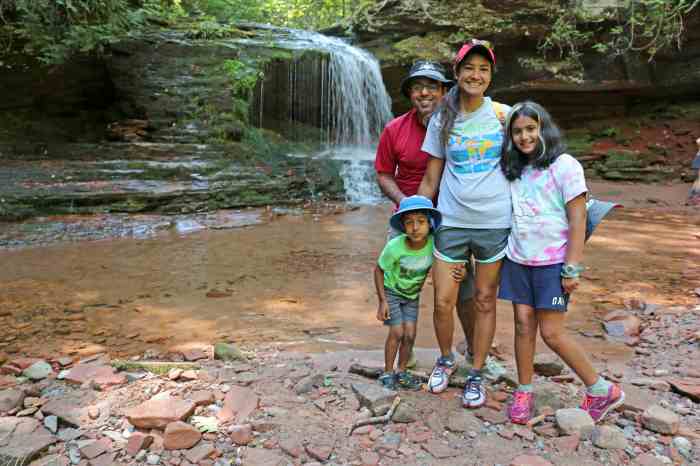
Immerse yourself in the wonders of nature with Family-friendly wildlife watching trips. From educational experiences to thrilling encounters, these trips offer a unique opportunity for families to bond and create unforgettable memories.
Planning a trip that caters to all ages and interests can be an exciting challenge, but with the right tips and destinations in mind, the journey becomes a rewarding adventure for everyone involved.
Introduction to Family-friendly Wildlife Watching Trips
Family-friendly wildlife watching trips are tailored experiences designed for families to explore and observe wildlife in their natural habitats while enjoying quality time together. These trips provide a unique opportunity for both parents and children to connect with nature, learn about different species, and create unforgettable memories.
Benefits of Experiencing Wildlife with Family
- Enhanced bonding: Wildlife watching trips offer a chance for families to bond over shared experiences and create lasting memories together.
- Educational opportunities: Children can learn about various animals, their habitats, and the importance of conservation while observing wildlife in person.
- Appreciation for nature: Spending time in nature and observing wildlife can instill a sense of appreciation and respect for the environment in both children and adults.
- Outdoor adventure: Wildlife watching trips provide an exciting outdoor adventure that allows families to explore new places and enjoy the beauty of the natural world.
Planning a Family-friendly Wildlife Watching Trip
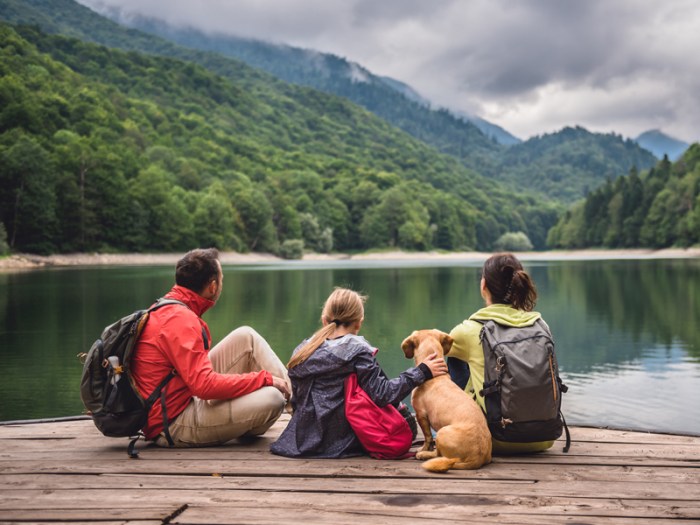
When planning a family-friendly wildlife watching trip, there are several important factors to consider to ensure a safe and enjoyable experience for everyone involved. From choosing the right destination to ensuring safety during wildlife encounters, proper planning is key.
Factors to Consider When Planning
- Research the destination: Make sure to choose a location that is known for family-friendly wildlife watching opportunities. Look for parks, nature reserves, or guided tours that cater to families with children.
- Check the season: Consider the best time of year to visit the destination for wildlife viewing. Some animals may be more active during specific seasons, providing better viewing opportunities.
- Accommodation options: Look for family-friendly accommodations near the wildlife watching areas. Consider factors such as proximity to wildlife viewing sites, safety measures, and amenities for children.
- Transportation: Plan how you will travel to and around the destination. Consider factors such as ease of access, child-friendly transportation options, and travel time.
Tips on Choosing Destinations Suitable for Families
- Look for destinations with easy accessibility and family-friendly facilities.
- Choose locations with a variety of wildlife species to keep children engaged and interested.
- Consider destinations with guided tours or educational programs tailored for families.
- Check for safety measures in place, such as viewing platforms or guided tours led by experienced naturalists.
Ensuring Safety During Wildlife Encounters
- Follow all guidelines and rules set by the wildlife watching destination.
- Keep a safe distance from wildlife and never approach or feed them.
- Teach children about wildlife safety and how to behave respectfully around animals.
- Stay alert and aware of your surroundings at all times during wildlife encounters.
Activities for Families on Wildlife Watching Trips
Exploring the wilderness and observing wildlife can be an exciting and educational experience for families. Here are some engaging activities to make the most out of your wildlife watching trip:
Guided Nature Walks
- Joining a guided nature walk with a knowledgeable naturalist can enhance the wildlife viewing experience.
- Learn about the different plants, animals, and ecosystems in the area while enjoying a leisurely stroll.
- Observe wildlife behavior up close and ask questions to deepen your understanding.
Junior Ranger Programs
- Participate in Junior Ranger programs offered by national parks or wildlife reserves.
- Children can engage in hands-on activities, games, and educational sessions to learn about conservation and wildlife protection.
- Earn badges or certificates as a reward for completing various tasks and challenges.
Wildlife Bingo or Scavenger Hunt
- Create a wildlife bingo card or scavenger hunt list with different animals, plants, or natural features to spot during the trip.
- Encourage children to keep an eye out for these items and mark them off as they find them.
- Add a competitive element by offering small prizes for completing the bingo or scavenger hunt.
Photography Sessions
- Give children disposable cameras or let them use a digital camera to capture their wildlife sightings.
- Encourage them to take photos of animals, birds, insects, or landscapes they find interesting.
- Create a mini photo album or collage to preserve memories from the trip.
Destinations for Family-friendly Wildlife Watching
When it comes to family-friendly wildlife watching trips, there are several destinations around the world that offer unique experiences for all ages. Choosing the right destination can make a huge difference in the enjoyment of the trip, so it’s important to consider the preferences of your family members before making a decision.
African Safari in Kenya
Kenya is known for its diverse wildlife population, making it a perfect destination for families looking to experience a traditional African safari. From witnessing the Great Migration in the Maasai Mara to interacting with elephants at the David Sheldrick Wildlife Trust, there are plenty of opportunities for unforgettable wildlife encounters.
Galapagos Islands, Ecuador
The Galapagos Islands provide a unique wildlife experience unlike any other place on earth. Families can witness giant tortoises, marine iguanas, and blue-footed boobies up close in their natural habitat. Snorkeling with sea lions and penguins is also a popular activity for families visiting the Galapagos.
Yellowstone National Park, USA
Yellowstone National Park is a great destination for families who want to explore the wilderness of North America. From spotting bison and elk to watching Old Faithful geyser erupt, there are endless opportunities for wildlife watching in this iconic national park.
Borneo, Malaysia
Borneo offers families the chance to see unique wildlife species such as orangutans, proboscis monkeys, and pygmy elephants in their natural habitat. Families can also enjoy river cruises to spot crocodiles and hornbills, making Borneo a truly adventurous destination for wildlife enthusiasts.
Recommended Gear and Equipment for Family Wildlife Trips
When embarking on a family wildlife watching trip, it is essential to have the right gear and equipment to ensure a safe and enjoyable experience. Here is a list of recommended items to bring along:
Essential Gear for Family Wildlife Trips
- Binoculars: A good pair of binoculars will allow you to observe wildlife from a distance without disturbing them.
- Camera: Capture memories of your wildlife encounters and beautiful surroundings.
- Field Guide: A book or app with information on local wildlife species can enhance your experience.
- Sunscreen and Insect Repellent: Protect yourself and your family from sunburn and bug bites.
- Water Bottle and Snacks: Stay hydrated and energized during your wildlife watching adventures.
The Importance of Safety Equipment when Observing Wildlife
Safety should always come first when observing wildlife. Be sure to pack the following items:
- First Aid Kit: In case of minor injuries or emergencies.
- Whistle or Bear Bell: To alert wildlife of your presence and avoid surprising them.
- Flashlight: Useful for early morning or evening wildlife sightings.
- Map and Compass: In case you wander off the beaten path and lose your way.
Tips on Packing Efficiently for Family Wildlife Trips
- Pack light and only bring the essentials to avoid carrying unnecessary weight.
- Dress in layers to be prepared for changing weather conditions.
- Use a backpack with multiple compartments to stay organized and easily access your gear.
- Check the weather forecast and pack accordingly to ensure you are prepared for any conditions.
Wildlife Conservation and Education on Family Trips
When families embark on wildlife watching trips, they not only have the opportunity to observe animals in their natural habitats but also play a crucial role in wildlife conservation. These trips can serve as educational experiences for children, teaching them about the importance of protecting wildlife and their habitats.
The Role of Wildlife Conservation in Family Trips
- By participating in family-friendly wildlife watching trips, families directly support conservation efforts by contributing to ecotourism initiatives that promote sustainable practices.
- Engaging with local guides and conservationists during these trips can raise awareness about the threats facing wildlife and the importance of conservation.
- Through their presence in protected areas, families help generate revenue that can be reinvested into conservation projects and wildlife reserves.
Educational Opportunities for Children during These Trips
- Children can learn about different species of wildlife, their behaviors, and the ecosystems they inhabit, fostering a love and respect for the natural world.
- Participating in guided tours and educational activities can provide children with hands-on learning experiences, allowing them to understand the interconnectedness of all living things.
- Visiting wildlife rehabilitation centers or sanctuaries can teach children about the importance of wildlife rescue and rehabilitation efforts.
Ways Families Can Contribute to Wildlife Preservation Efforts
- Supporting local conservation organizations through donations or volunteer work can directly contribute to wildlife preservation efforts.
- Practicing responsible tourism behaviors, such as following park rules, respecting wildlife from a safe distance, and reducing waste, can help minimize human impact on natural habitats.
- Participating in citizen science programs or wildlife monitoring initiatives can provide valuable data for conservation research and management.
Conclusive Thoughts
As you wrap up your Family-friendly wildlife watching trip, take a moment to reflect on the incredible moments shared with your loved ones. Whether it’s spotting rare wildlife or learning about conservation efforts, these trips leave a lasting impact on both young and old alike.
Quick FAQs
What age range is suitable for family-friendly wildlife watching trips?
Family-friendly wildlife watching trips are suitable for all ages, with activities tailored to cater to both children and adults.
Are there any safety precautions to keep in mind during wildlife encounters?
It’s important to maintain a safe distance from wildlife, follow park regulations, and always be aware of your surroundings to ensure a safe and enjoyable experience.
How can families contribute to wildlife preservation efforts during these trips?
Families can contribute by learning about conservation initiatives, supporting local wildlife sanctuaries, and practicing responsible eco-tourism habits during their wildlife watching trips.