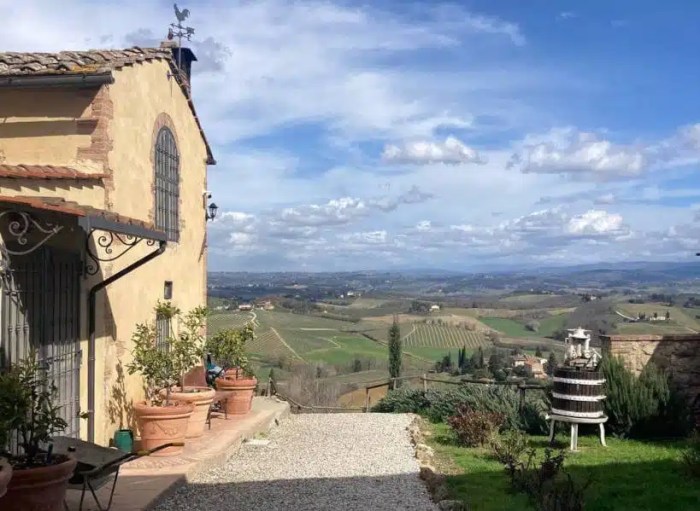
Embark on a journey through the picturesque vineyards of Italy with guided wine tours that promise a blend of culture, history, and exquisite flavors. Experience the allure of exploring renowned wineries and tasting exceptional wines in this immersive escapade.
Discover the hidden gems of Italian wine regions, savor culinary delights, and immerse yourself in local traditions for an unforgettable tour that tantalizes all your senses.
Introduction to Guided Wine Tours in Italy
Guided wine tours in Italy offer a unique opportunity to explore the rich culture and history of Italian winemaking. These tours allow visitors to immerse themselves in the picturesque vineyards and charming wineries scattered throughout the country.
The Appeal of Exploring Vineyards and Wineries in Italy
Italy is renowned for its diverse and high-quality wine production, making it a top destination for wine enthusiasts and tourists alike. Visiting vineyards and wineries provides a firsthand experience of the winemaking process, from grape to glass. The stunning landscapes, centuries-old traditions, and warm hospitality of the local winemakers add to the allure of these tours.
The Benefits of Opting for a Guided Wine Tour Experience
- Expert Guidance: Guided wine tours are led by knowledgeable guides who offer insights into the region’s winemaking history, grape varieties, and tasting techniques.
- Curated Experience: These tours are carefully curated to showcase the best wineries and vineyards, ensuring visitors get a well-rounded and authentic experience.
- Safe Transportation: By opting for a guided tour, visitors can enjoy wine tasting without worrying about driving, as transportation is usually provided.
- Exclusive Access: Some guided wine tours offer exclusive access to boutique wineries and limited-production wines, allowing visitors to taste unique and rare vintages.
Popular Wine Regions in Italy
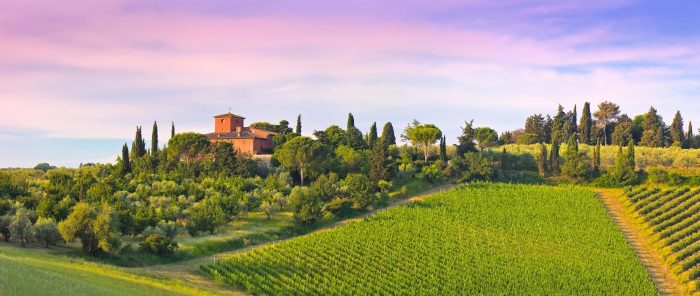
Italy is renowned for its diverse and rich wine culture, with several regions standing out for their unique wines. Let’s explore some of the most popular wine regions in Italy and the distinct characteristics of their wines.
Tuscany
Tuscany is one of Italy’s most famous wine regions, known for producing iconic wines such as Chianti, Brunello di Montalcino, and Super Tuscans. The region’s hilly terrain, warm climate, and coastal influences create ideal conditions for growing Sangiovese grapes, which are the backbone of many Tuscan wines. These wines are characterized by their bold flavors, high acidity, and firm tannins.
Piedmont
Piedmont, located in the northwest of Italy, is home to prestigious wines like Barolo and Barbaresco, made from the Nebbiolo grape. These wines are celebrated for their complexity, elegance, and aging potential. The region’s unique microclimates, including the Langhe hills, contribute to the distinctive flavor profiles of Piedmont wines.
Veneto
Veneto, in northeastern Italy, is famous for producing Prosecco, a popular sparkling wine. The region is also known for Amarone della Valpolicella, a rich and full-bodied red wine made using the appassimento method, where grapes are dried before fermentation. Veneto’s diverse range of wines reflects its varied terroir, from the hills of Valpolicella to the plains of Soave.
Sicily
Sicily, the largest island in the Mediterranean, has a long history of winemaking dating back to ancient times. The region produces a wide array of wines, from crisp whites like Grillo and Catarratto to bold reds like Nero d’Avola. Sicilian wines are influenced by the island’s volcanic soils, sunny climate, and proximity to the sea, resulting in wines with unique minerality and freshness.
Itinerary Planning for a Guided Wine Tour
When planning a guided wine tour in Italy, it is essential to create a well-thought-out itinerary that allows you to explore the diverse wine regions and experience the rich culture of the country. Here are some tips to help you plan your wine tour itinerary effectively.
Include Diverse Wineries in the Itinerary
- Visit wineries in different regions of Italy to sample a variety of wines and learn about the unique terroir of each area.
- Include visits to large, well-known wineries as well as smaller, family-owned vineyards to get a comprehensive understanding of Italian winemaking traditions.
- Explore a mix of traditional and modern wineries to appreciate the evolution of winemaking techniques in Italy.
Balance Wine Tasting with Cultural Experiences
- Pair wine tastings with visits to historical sites, museums, and local markets to immerse yourself in the Italian culture beyond just wine.
- Participate in cooking classes, truffle hunts, or olive oil tastings to enhance your culinary experience during the tour.
- Attend local festivals or events happening in the regions you are visiting to witness the vibrant traditions and customs of Italy.
Wine Tasting and Pairing Experiences
In the world of guided wine tours in Italy, wine tasting and pairing experiences play a crucial role in enhancing the overall tour experience. Not only do they allow participants to sample a variety of exquisite wines, but they also provide insights into the rich cultural and culinary heritage of the regions visited.
The Art of Wine Tasting
- Wine tasting involves using multiple senses to fully appreciate a wine’s aroma, taste, and texture.
- Participants are guided through a sensory journey, learning to identify different flavor profiles and characteristics of each wine.
- Winemakers and sommeliers often lead tastings, sharing their expertise and knowledge to enhance the experience.
Food and Wine Pairing Significance
- Pairing food with wine is an art that enhances the flavors of both, creating a harmonious culinary experience.
- During guided wine tours, participants have the opportunity to taste local dishes paired with regional wines, highlighting the unique terroir.
- Pairing experiences showcase how certain foods can complement or contrast with different wines, enriching the overall tasting experience.
Tasting Techniques in Italian Wineries
- Italian wineries often use traditional tasting techniques, focusing on the balance of acidity, tannins, and fruit flavors in wines.
- Participants may learn about specific grape varietals, aging processes, and vineyard practices that contribute to the final product.
- Winemakers may introduce different tasting tools and methods, such as aerating wine or evaluating wine legs, to deepen participants’ understanding of wine quality.
Cultural Immersion and Local Experiences
When embarking on guided wine tours in Italy, travelers have the unique opportunity to immerse themselves in the rich cultural tapestry of the country. Beyond the wine tasting experiences, there are numerous local activities and interactions that offer a deeper insight into Italian life and traditions.
Exploring Local Festivals and Events
Italy is known for its vibrant festivals and events, many of which are centered around food and wine. Tourists can participate in local celebrations, such as grape harvest festivals or wine fairs, where they can witness traditional dances, music, and rituals that are an integral part of Italian culture.
Visiting Historical Sites and Landmarks
In between wine tastings, visitors can explore the historical sites and landmarks that dot the Italian countryside. From ancient Roman ruins to medieval castles, these attractions provide a glimpse into Italy’s rich past and architectural heritage.
Engaging with Local Artisans and Craftsmen
Interacting with local artisans and craftsmen allows tourists to appreciate the traditional craftsmanship that is still alive in Italy. Whether visiting a pottery workshop or watching a shoemaker at work, these experiences offer a hands-on approach to understanding the artistry and skill that define Italian craftsmanship.
Participating in Cooking Classes and Culinary Experiences
Italian cuisine is renowned worldwide, and tourists can deepen their appreciation for it by participating in cooking classes and culinary experiences. Learning how to make pasta from scratch or trying their hand at traditional recipes alongside local chefs provides a true taste of Italian gastronomy.
Staying in Agriturismos and Bed & Breakfasts
To truly immerse themselves in the local culture, tourists can opt to stay in agriturismos (farm stays) or charming bed & breakfasts. These accommodations not only offer a comfortable place to rest but also provide an authentic Italian experience, surrounded by vineyards, olive groves, and the warm hospitality of the locals.
Attending Wine Workshops and Vineyard Tours
In addition to wine tastings, tourists can engage in wine workshops and vineyard tours to gain a deeper understanding of the winemaking process. Interacting with local winemakers and producers allows visitors to appreciate the dedication and passion that goes into producing Italy’s world-renowned wines.
Sustainability and Organic Practices in Italian Vineyards
Italy has seen a growing trend towards sustainability and organic practices in its vineyards in recent years. As consumers become more environmentally conscious, wineries are adapting their practices to meet these demands and reduce their environmental impact. This shift towards eco-friendly initiatives is not only beneficial for the environment but also shaping the wine tourism industry in Italy.
Vineyards Leading the Way in Sustainability
- Castello di Ama in Tuscany is known for its commitment to sustainability, using organic and biodynamic farming practices to produce high-quality wines while preserving the environment.
- La Stoppa in Emilia-Romagna focuses on natural winemaking techniques and biodiversity, creating a unique and sustainable wine experience for visitors.
- Feudi di San Gregorio in Campania has implemented sustainable practices in the vineyard and winery, showcasing the importance of environmental stewardship in wine production.
Culinary Delights and Cooking Classes
Italy is not only renowned for its exceptional wines but also for its exquisite culinary delights. When embarking on a guided wine tour in Italy, you can expect to indulge in a variety of gastronomic experiences that perfectly complement the wine tastings.
Culinary Experiences
- Enjoy traditional Italian dishes prepared with fresh, locally sourced ingredients.
- Explore the diverse regional cuisines of Italy, from hearty Tuscan fare to delicate Venetian seafood dishes.
- Participate in olive oil tastings, cheese samplings, and visits to local markets to discover the authentic flavors of Italy.
Cooking Classes
- Immerse yourself in Italian culinary traditions with hands-on cooking classes led by local chefs.
- Learn to prepare classic Italian dishes and discover the art of wine pairing to elevate your dining experience.
- Engage in interactive cooking sessions focused on regional specialties, such as homemade pasta in Tuscany or Sicilian arancini.
Enhancing the Wine Tour Experience
Indulging in the local cuisine and participating in cooking classes play a vital role in enhancing the overall wine tour experience in Italy. The flavors of the food complement the nuances of the wines, creating a harmonious sensory journey that showcases the rich cultural heritage of the country.
Art and Architecture of Italian Vineyards
Italy is not only known for its exceptional wines but also for the stunning art and architecture found in its vineyards and wineries. The historical landmarks and cultural significance of these sites add a unique charm to wine tours in Italy.
Historical Landmarks and Cultural Significance
- Italian vineyards often feature ancient buildings, castles, and churches that have stood the test of time. These structures provide a glimpse into the rich history of winemaking in Italy.
- The art found in Italian vineyards, such as sculptures, paintings, and murals, reflects the deep connection between wine production and Italian culture. These artworks tell stories of tradition, craftsmanship, and passion.
- Visiting these sites allows wine enthusiasts to immerse themselves in the cultural heritage of Italy, learning about the local customs, rituals, and legends that have shaped the winemaking traditions of the country.
Personalized vs. Group Wine Tours
When deciding between personalized and group wine tours in Italy, there are several factors to consider that can greatly impact your overall experience. Let’s explore the advantages and disadvantages of each option.
Advantages and Disadvantages
Personalized Wine Tours:
- Advantages:
- High level of customization: Personalized tours allow you to tailor the itinerary to your preferences, focusing on specific wineries or regions of interest.
- Flexibility: You have the freedom to set your own pace, spend more time at places that capture your interest, and make spontaneous changes to the schedule.
- Exclusive experiences: Personalized tours often offer unique and exclusive experiences, such as private tastings or vineyard tours.
- Disadvantages:
- Cost: Personalized tours can be more expensive due to the personalized attention and exclusive experiences provided.
- Limited social interaction: Since personalized tours are tailored to individual preferences, there may be less opportunity for socializing with other wine enthusiasts.
Group Wine Tours:
- Advantages:
- Social aspect: Group tours offer the opportunity to meet and connect with fellow wine lovers, fostering a sense of camaraderie and shared experiences.
- Cost-effective: Group tours are often more budget-friendly as the costs are shared among participants.
- Guided expertise: Group tours are led by knowledgeable guides who can provide insights and information about the wine regions visited.
- Disadvantages:
- Lack of flexibility: Group tours follow a set itinerary, limiting the ability to deviate from the planned schedule or explore specific interests in depth.
- Potential for larger groups: Some group tours may accommodate a larger number of participants, leading to less personal attention and a more crowded experience.
Conclusion
As the curtain falls on this exploration of guided wine tours in Italy, the memories of vineyard landscapes, flavorful wines, and cultural encounters linger, inviting you to revisit the enchanting world of Italian winemaking.
Essential FAQs
Is prior wine knowledge required for joining a guided wine tour?
No, guided wine tours cater to all levels of wine enthusiasts, from beginners to connoisseurs. The tours are designed to be informative and enjoyable for everyone.
Are transportation and accommodation included in guided wine tour packages?
Most guided wine tour packages include transportation between wineries and may offer accommodation options. It’s advisable to check the inclusions with the tour operator.
Can dietary restrictions be accommodated during wine tasting sessions?
Yes, wineries and tour operators are usually accommodating of dietary restrictions. It’s recommended to inform them in advance to ensure a seamless experience.
Do guided wine tours provide opportunities to purchase wines from the visited wineries?
Absolutely, guided wine tours often include opportunities to purchase wines directly from the visited wineries. This allows you to bring a piece of Italy’s wine heritage back home.
What is the best time of year to embark on a guided wine tour in Italy?
The best time for a guided wine tour in Italy is typically during the harvest season in autumn (September to October) when vineyards are bustling with activity and the weather is pleasant.